
Post Bypass Care in Mira Bhayandar
Post-bypass care involves the planned follow-up a person needs after coronary artery bypass grafting (CABG). It includes wound healing, medication management, physical activity, diet, and regular cardiac check-ups. Many patients also seek guidance from an Ayurveda doctor in Mira Bhayandar for dietary advice, lifestyle modifications, and supportive care during recovery, alongside treatment from their surgeon and cardiologist.
Bypass surgery creates a new route for blood to reach the heart muscle, bypassing a blocked artery. While the procedure improves blood flow to the heart, it does not eliminate the underlying risk factors or habits that contribute to coronary artery disease. This is why the weeks and months following surgery are an important part of long-term heart health.
Dr. Gayatri Damodaran has over eight years of experience at Madhavbaug Ayurvedic Clinic. She guides patients through recovery using Ayurvedic principles, dietary and lifestyle advice, and supportive therapies. Her approach complements the care provided by the patient’s medical team and does not replace prescribed medications, the surgeon’s recommendations, or scheduled cardiac check-ups.
“Bypass surgery opens a new path for blood to reach the heart, but the heart still needs care after you leave the hospital. What a patient does in the following months decides how well that new path is protected,” says Dr. Gayatri Damodaran.

Recovering from bypass surgery and unsure what comes next?
What Is Post-Bypass Care?
Post-bypass care means everything done to support the body after CABG surgery. It starts in the hospital and continues at home for several months.
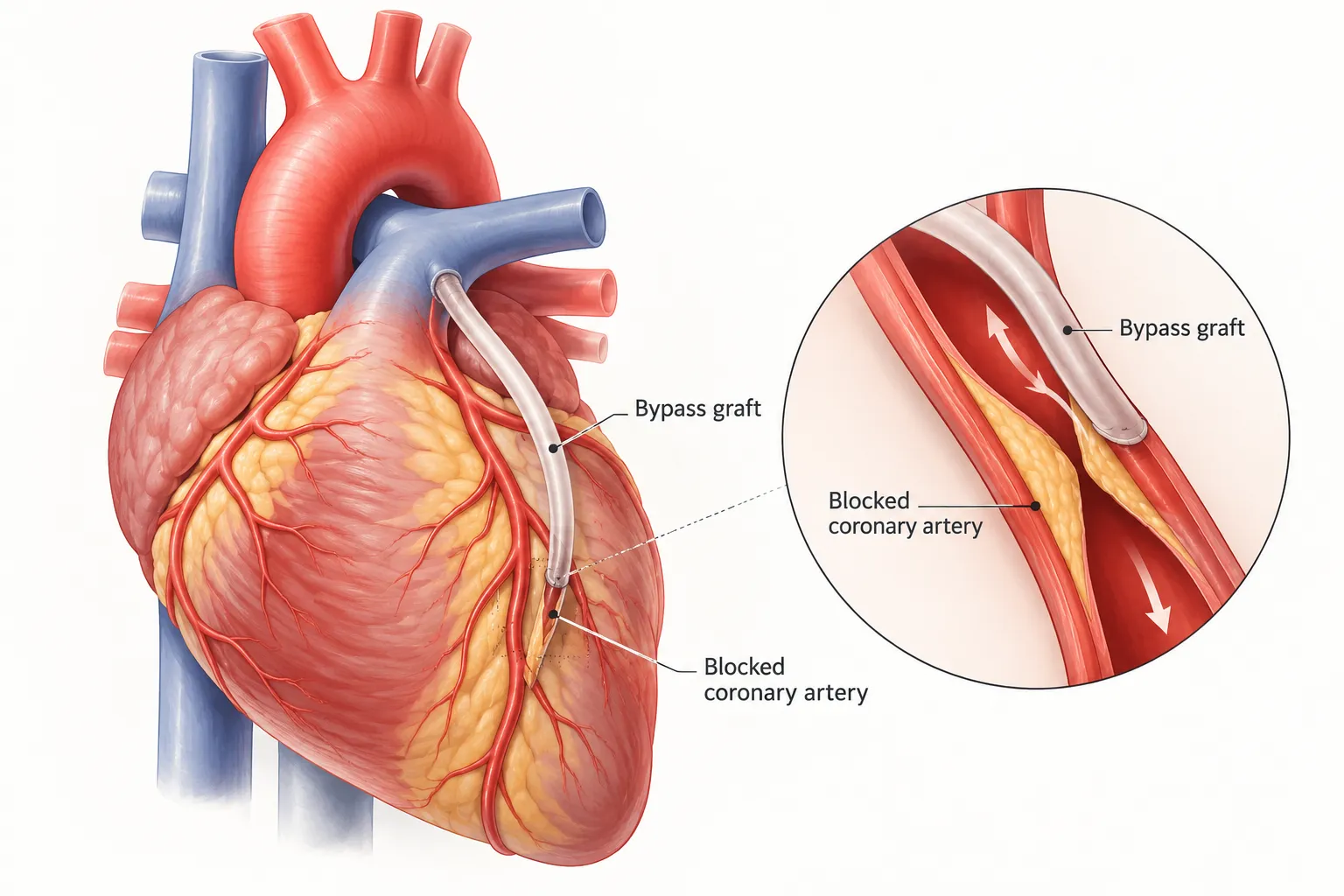
During CABG, the surgeon takes a healthy blood vessel from the leg, chest, or arm. This vessel is attached above and below the blocked coronary artery, so blood can flow around the blockage. Most people stay in hospital for about a week, though this varies.
After discharge, the focus shifts to healing the chest and leg wounds, taking medicines on time, and rebuilding strength. It also means controlling the factors that led to the blockage, such as high blood pressure, diabetes, high cholesterol, and smoking.
What Does Recovery Look Like After Bypass Surgery?
Every person heals at a different pace. Age, diabetes, and heart strength all play a part. A general timeline looks like this.
First 1 to 2 weeks
Tiredness, chest soreness, and a poor appetite are common. Short walks, deep breathing exercises, and rest form the base of recovery.
Weeks 2 to 6
Energy slowly returns. The breastbone (sternum) is still healing, so heavy lifting, pushing, and pulling are usually avoided.
Weeks 6 to 12
Most people return to light daily activity. A cardiac rehabilitation programme often begins around this time, as advised by the cardiologist.
After 3 months
Many people feel close to their usual selves, though full recovery can take longer.

Not sure whether your recovery is on track? Review your diet, routine, and symptoms.
What Does Post-Bypass Care Include?
Medicines
Blood thinners, cholesterol medicines, and blood pressure tablets protect the new grafts. Never stop them without your cardiologist’s advice.
Wound care
Keep the chest and leg wounds clean and dry. Watch for redness, swelling, or discharge.
Graded activity
Walking is increased step by step. Cardiac rehabilitation adds supervised exercise.
Heart-friendly die
Less salt, less fried food, and more fibre.
Risk factor control
Regular checks of blood pressure, blood sugar and cholesterol.
No tobacco, limited alcohol
Smoking is one of the main reasons grafts and arteries narrow again.
Emotional support
Low mood and anxiety are common after surgery.
Follow-up visits
ECG, echocardiography, and blood tests as advised by your doctor.
Diet After Bypass Surgery
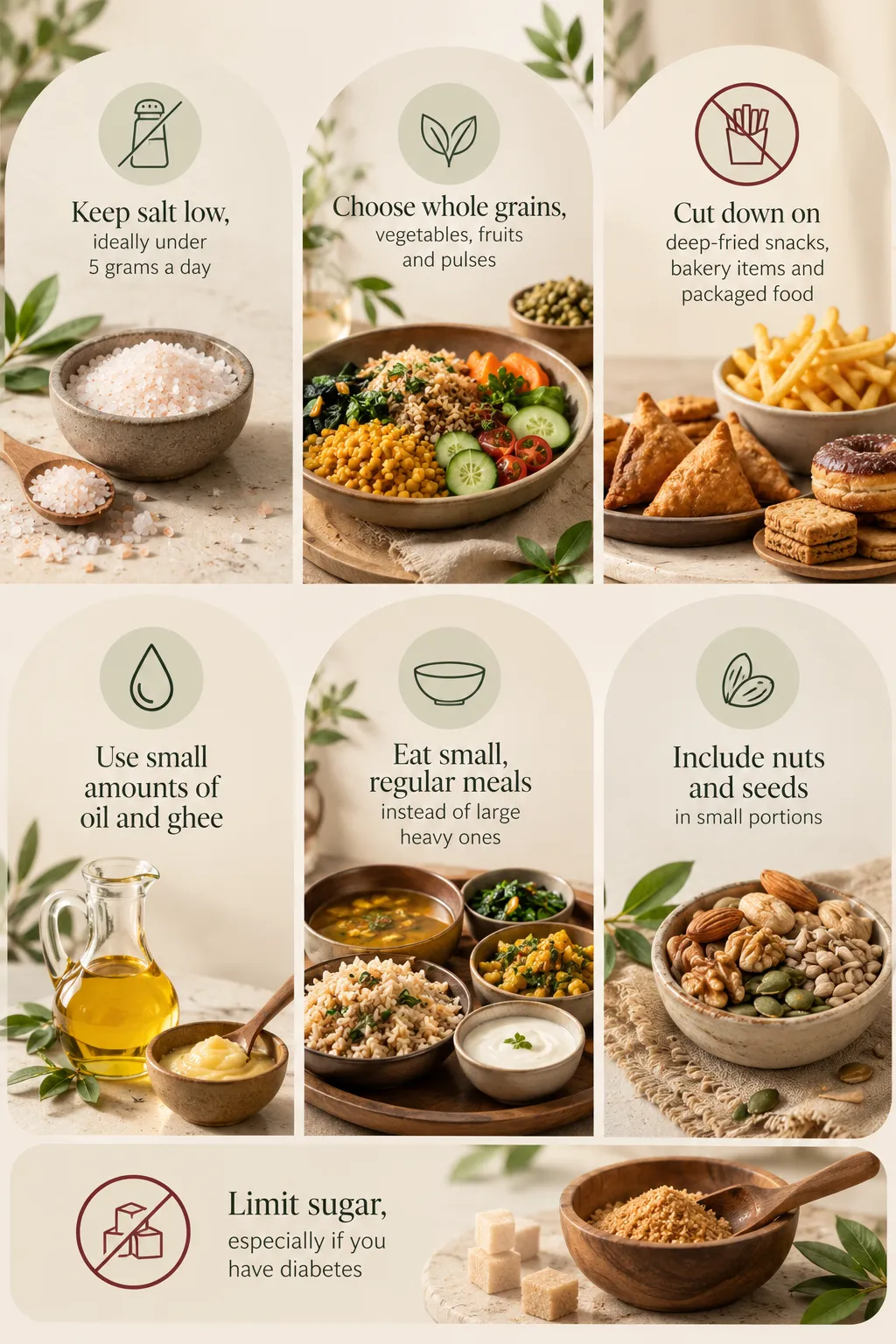
A heart-friendly diet is simple and does not require expensive foods. Your cardiologist or dietitian may adjust it if you have diabetes, kidney problems, or fluid limits.
How Can Ayurveda Support Recovery After Bypass Surgery?
In Ayurveda, heart disease is called Hridroga. It is understood as an imbalance of the doshas, mainly Vata, which governs circulation and movement, along with Pitta and Kapha. After major surgery, Vata is often considered aggravated. This may show up as weakness, poor sleep, anxiety, and irregular digestion.
Ayurvedic care after bypass is supportive. It may include dosha-based diet advice, daily routine changes, gentle breathing practices, and selected therapies. Treatments such as Panchakarma are not started early. They are considered only after the wounds have healed, and the surgeon or cardiologist has cleared the patient.
If you take Ayurvedic medicines along with blood thinners or other heart tablets, tell all your doctors about every medicine. Some herbs can interact with prescribed drugs.
“Ayurveda has a supportive role here. It works best when the surgeon’s advice, the cardiologist’s medicines, and the patient’s daily routine are all moving in the same direction,” says Dr. Gayatri Damodaran.
Emotional Health and Sleep After Bypass Surgery
Recovery is not only physical. Sleep and mood deserve attention too.
Many people feel low, anxious, or restless in the months after surgery. Broken sleep and worry about the heart are common. These feelings usually ease with time, rest, and family support.
Calming routines can help. Fixed sleep timings, light evening meals, and slow breathing practice are simple starting points. Some patients are also considered for relaxing therapies such as Shirodhara once they are medically stable. If low mood lasts for weeks or affects daily life, speak to your doctor.
Who May Need Post-Bypass Care Support?
Some patients need closer follow-up after CABG, such as those with diabetes, high blood pressure, or ongoing breathlessness. The infographic below shows who may benefit.

Warning Signs After Bypass Surgery That Need Urgent Care
Some symptoms after surgery need immediate attention. If you notice any sign below, contact your surgeon or visit the nearest hospital right away.
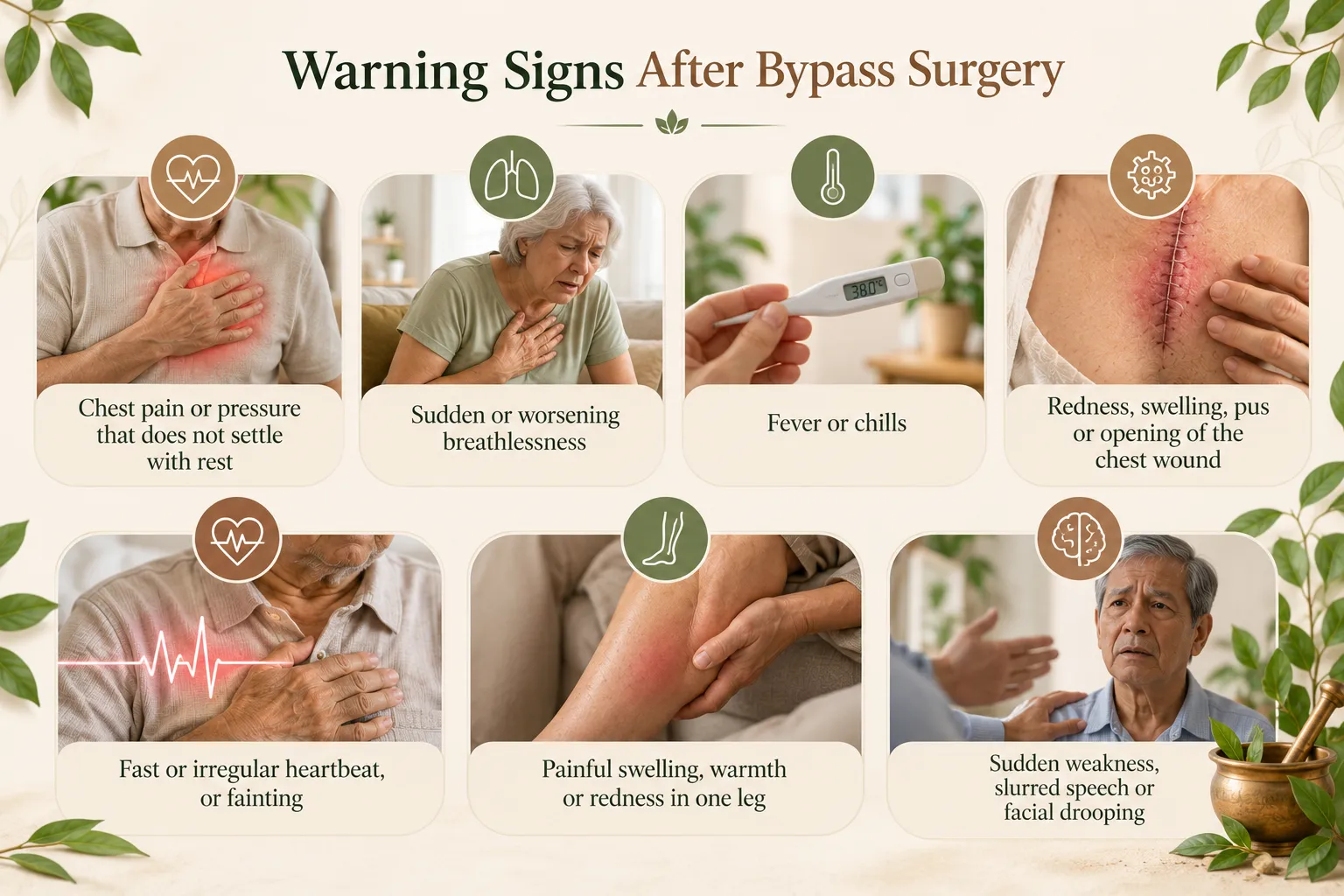
Do not wait for a clinic appointment if these symptoms appear.
Post Bypass Care Evaluation With Dr. Gayatri Damodaran in Mira Bhayandar
Dr. Gayatri Damodaran offers post-bypass care guidance at Madhavbaug Ayurvedic Clinic in Mira Bhayandar. With over 8 years of experience, she plans care after reviewing the patient’s surgical details, current medicines, reports, and daily routine.
During the evaluation, Dr. Gayatri may assess:
Every recommendation is explained along with its purpose, limits, and timing. Care is planned to stay within the advice of your treating cardiologist. Any warning symptoms are referred for urgent medical care.
“Every patient arrives with a different surgery, different reports and a different routine. That is why I first listen and review everything before suggesting any diet or lifestyle changes,” says Dr. Gayatri Damodaran.

Have questions about diet, activity or supportive care after bypass surgery? Reach out for a personalised recovery discussion.
Frequently Asked Questions
1. How long does it take to recover after bypass surgery?
Most people need around 6 to 12 weeks for the breastbone to heal and energy to return. Full recovery varies from person to person.
2. What should I avoid after bypass surgery?
Avoid heavy lifting, pushing, and pulling until your surgeon allows it. Stay away from tobacco, excess salt, and fried food, and never skip prescribed medicines.
3. What can I eat after bypass surgery?
A diet rich in vegetables, fruits, whole grains, and pulses, with low salt and less fried food, is generally advised. Your doctor may adjust it for diabetes or kidney problems.
4. Can Ayurveda help after bypass surgery?
Ayurveda can support recovery through diet, lifestyle, and selected therapies. It does not replace prescribed medicines or cardiology follow-up.
5. Is Hruday Basti safe after bypass surgery?
Hruday Basti involves warm oil placed over the chest. It is considered only after the chest wound has fully healed and with clearance from the treating cardiologist or surgeon.
6. Can I stop my heart medicines once I feel better?
No. Feeling better does not mean the grafts no longer need protection. Medicines should be changed or stopped only by your cardiologist.
Disclaimer: The information shared in this content is for educational purposes and not for promotional use.