In today’s fast-paced world, our bodies accumulate toxins from processed food, pollution, stress, and irregular sleep, all of which silently affect digestion, immunity, energy levels, and even heart health. While a deep Ayurvedic detox is a multi-day commitment, there are simple and powerful steps you can take to meaningfully reset your body and lighten its toxic load in just 24 hours.
According to Dr. Gayatri Damodaran, a trusted Ayurveda doctor in Mira Bhayandar:
“Detoxification is not just about what you stop eating, it is about creating the right internal conditions for your body to heal itself. Even a single day of mindful living can significantly reduce the toxic load on your organs.”
At her Madhavbaug Ayurvedic Clinic in Mira Bhayandar, Dr. Gayatri has helped thousands restore vitality through structured detox programs and Panchakarma therapies addressing the root cause of imbalance, not just the symptoms.
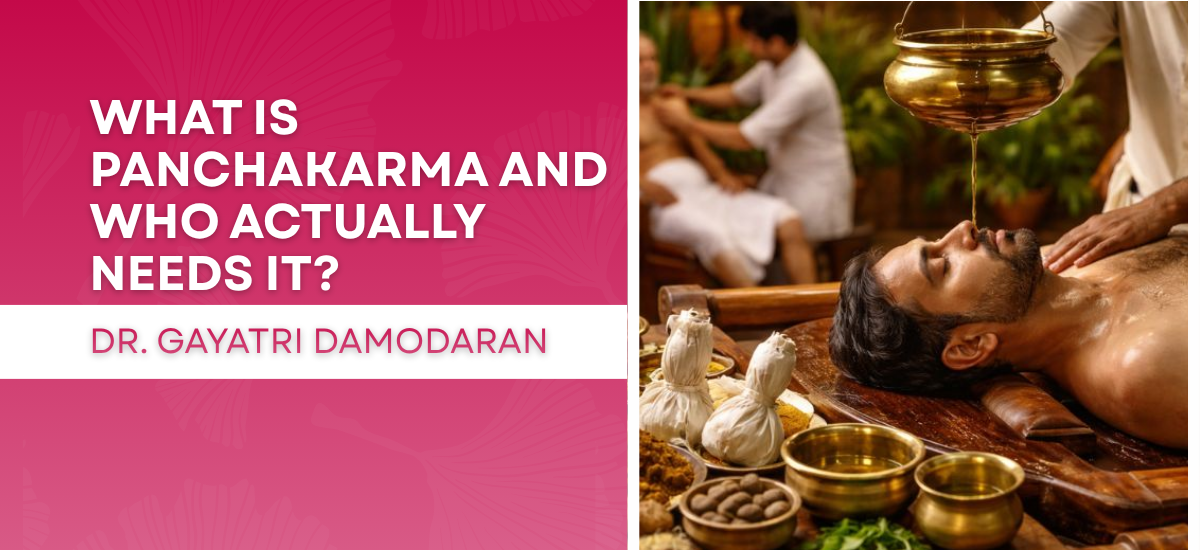
What does Panchakarma actually do inside the body?
Panchakarma is just not a cleanse.It goes deeper Toxins lodged inside fat cells, gut lining, the kind of stuff a green juice cannot touch.
- Toxin clearance. Old metabolic junk gets pulled out through Vamana, Virechana, or Basti. Most patients say they feel physically lighter by the end of week two, which sounds vague till you’ve been through it.
- Doshic balance. The three doshas come back into proportion. Stuff like bloat, brain fog, stiff knees in the morning, all that quietly fades.
- Digestive reset. Agni, the digestive fire, gets rebuilt. If Agni is weak, food keeps turning into Ama. So you stay stuck no matter what you eat.
- Nervous calm. Nasya and Shirodhara settle the nervous system. Sometimes patients sleep properly on day three after years of poor sleep, which still surprises me when I see it happen.
If diets and supplements aren’t moving the needle, the real problem usually sits below where those reach. A proper Panchakarma treatment hits that depth.
Who genuinely needs Panchakarma and who doesn’t?
Not everyone needs the whole five-step cycle. Some patients only need one or two of the procedures. A few shouldn’t go anywhere near it.
- Chronic disease patients. Diabetes, fatty liver, BP, arthritis. Especially when allopathic medicines have plateaued and the numbers refuse to move.
- Toxin-heavy lifestyles. Processed food, late nights, constant stress. That combo builds the kind of Ama Panchakarma was actually built to clear.
- Pre-conception couples. Cleansing before trying to conceive helps both egg and sperm quality. Ayurvedic texts said this centuries before anyone called it preconception care.
- Healthy folks for maintenance. Once a year, usually monsoon. Think of it like servicing a car. Skip it long enough and small problems pile up.
It isn’t right for pregnant women, weak patients, or anyone fighting an active acute illness. To see how the prep work like oil massage actually feeds into the main therapy, the breakdown of Abhyanga massage benefits covers that step.
Why Choose Dr. Gayatri Damodaran for Panchakarma?
Dr. Gayatri Damodaran has been practicing for over 8 years. She also holds a Fellowship in Preventive Cardiology, which isn’t something most Ayurveda doctors carry. That second qualification matters because Panchakarma protocols here get planned with the patient’s heart and metabolic numbers in full view, not as an afterthought. She follows the Madhavbaug protocol, mixing classical procedures with ECG and 2D Echo wherever the case actually needs it.
Patients usually mention better sleep first, then lighter digestion, then steadier energy, generally inside the first two weeks. Many come back seasonally because what they got from it sticks.
Want to go beyond a one-day reset? Book a consultation with Dr. Gayatri Damodaran today.
Frequently Asked Questions
How long does a complete Panchakarma session take?
Typically 7 to 21 days depending on body type and condition severity.
Is Panchakarma safe for elderly patients?
Yes, with modified protocols suited to age, strength, and existing health conditions.
Can Panchakarma help with weight loss?
It supports metabolic correction, so sustainable weight reduction often follows naturally.
How often should Panchakarma be repeated?
Once a year for healthy individuals, more frequently for chronic disease management.
