
You finish a meal and within minutes, or maybe an hour later, there’s a burning feeling somewhere between your chest and stomach. If this sounds familiar, you’re dealing with something Dr. Gayatri Damodaran, an Ayurvedic doctor in Mira Bhayandar, hears about almost every week. A stomach burning sensation after eating is common, but people usually don’t ask why it’s happening. They just keep antacids handy and move on. At Madhavbaug Ayurvedic Clinic in Mira Bhayandar, the approach is a bit different – the idea is to find out what’s actually triggering it before deciding what to do about it. Below is a breakdown of what usually causes this, what it might mean, and when it’s time to actually get it checked.
If this has been going on for weeks and you’ve just been living around it, maybe it’s time to ask why instead of just managing it.
What Causes Stomach Burning After Eating?
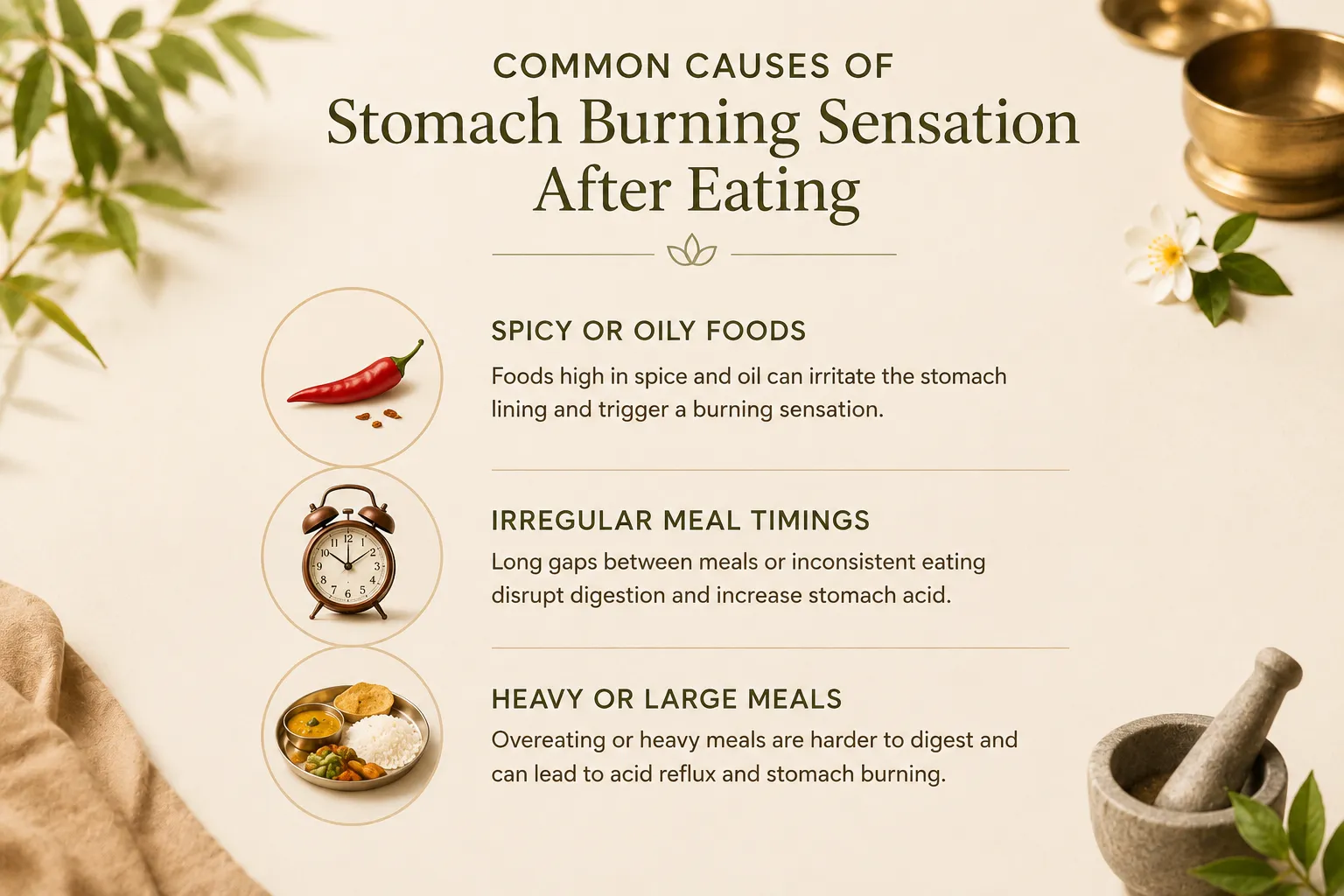
A few things tend to be behind it, and it’s often more than one at the same time:
- Too much acid being produced during digestion
- Acid reflux – stomach acid moving back up into the food pipe
- Gastritis, which is basically inflammation of the stomach lining
- Eating fast or lying down soon after a meal
- Spicy or oily food, or anything heavily processed
- Skipping meals or leaving long gaps between them
None of this is usually serious by itself. It’s when it starts happening two, three times a week that it’s worth actually paying attention to instead of brushing it off.
How Ayurveda Looks at This
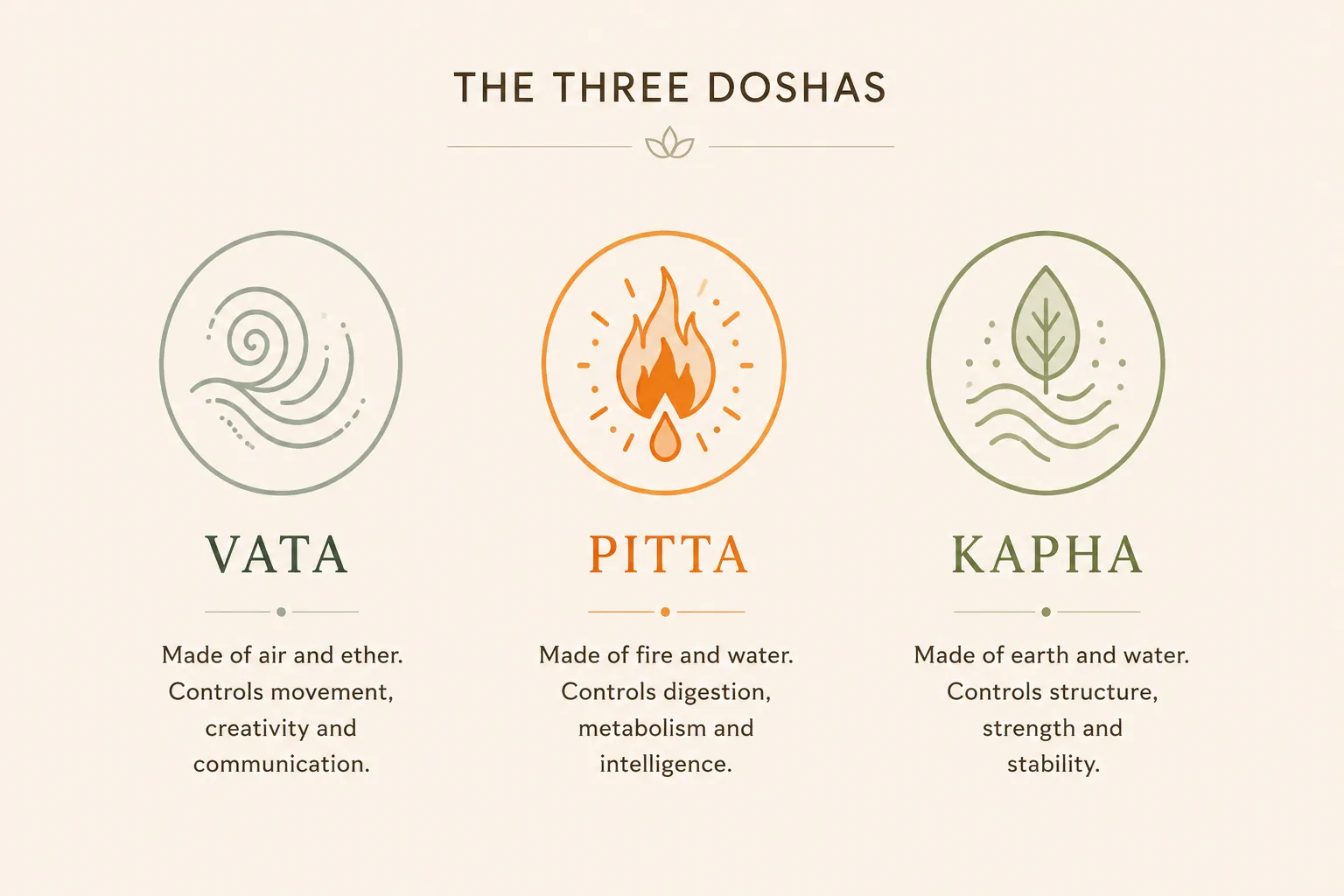
In Ayurveda, digestion runs on what’s called Agni, or digestive fire, and it’s largely governed by the Pitta dosha. Spicy food, irregular eating, stress – any of these can throw Pitta off balance, and depending on how, digestion either speeds up too much or slows down. Either way, burning after meals is a common result, sometimes along with a sour taste or bloating an hour or two later.
At Madhavbaug Ayurvedic Clinic in Mira Bhayandar, the first step is usually figuring out which dosha is disturbed and why. Not jumping straight into treating the symptom.
Who Should Pay Closer Attention to This

A bit of burning after a heavy or spicy meal, once in a while, isn’t usually a big deal. But it’s worth looking into if:
- It happens more than twice a week
- It wakes you up at night
- You’re relying on antacids just to get through the day
- It comes with bloating, nausea, or a sour taste
- It gets worse under stress, even when your diet hasn’t really changed
When It's Time to See a Doctor
Mild, occasional burning usually responds fine to diet changes and home care. But if there’s unexplained weight loss, repeated vomiting, black or bloody stools, or chest pain – see a doctor, don’t wait on that one. For the milder, recurring kind without those signs, an Ayurvedic evaluation is a reasonable place to start.
Dr. Gayatri Damodaran: “I don’t want anyone ignoring the serious warning signs. But the smaller, recurring stuff matters too – that’s usually where we can actually do something before it becomes a bigger issue.”
What Long-Term Relief Usually Looks Like

Instead of just calming the burning each time it shows up, Ayurvedic treatment tends to focus on fixing Agni and Pitta over a longer stretch. At Madhavbaug Ayurvedic Clinic in Mira Bhayandar that generally means diet suited to the person’s constitution, herbal support for the stomach lining, and changes to meal timing, sleep, stress – things that don’t seem connected to digestion until they are. Panchakarma-based therapy sometimes comes into play too, mostly in cases that have been going on a while.
“It’s rarely just about food,” Dr. Gayatri Damodaran says. “Usually there’s a routine somewhere that needs adjusting, and that’s what we end up working on with most patients.”
Frequently Asked Questions
Is stomach burning after eating always about acidity?
Can stress actually cause a burning sensation in the stomach?
How does Ayurveda evaluate something like this?
When should I stop trying home remedies and see a doctor?
Is diet alone enough to fix this?
If this has been a recurring thing for you, it’s probably worth getting looked at properly rather than managing it meal by meal. If you’re around Mira Bhayandar, Madhavbaug Ayurvedic Clinic offers consultations with Dr. Gayatri Damodaran to help figure out what’s actually going on.
Disclaimer: The information shared in this content is for educational purposes only and not for promotional use.
References
- World Journal of Gastroenterology – studies on gastritis and acid-related digestive disorders
- National Institutes of Health (NIH) – patient information on GERD and acid reflux
- Charaka Samhita – classical Ayurvedic text on Agni, Pitta dosha, and digestive imbalance
- Journal of Ayurveda and Integrative Medicine – research on Pitta-related digestive conditions
